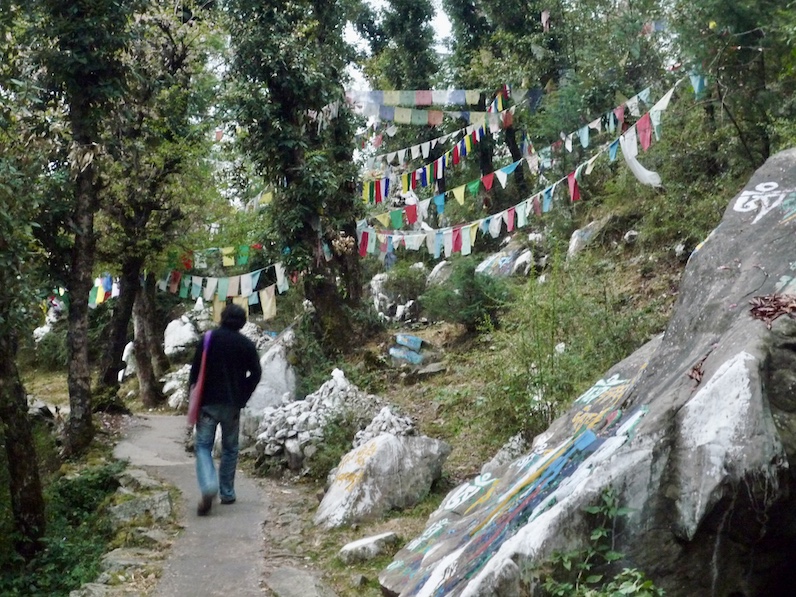
Did you know that Tibet is massive – the same size as western Europe?
Historically, it was comprised of three major regions. There were geographical and ethnological distinctions between them, but a Tibetan saying puts it most colourfully: “The best religion comes from Ü-Tsang, the best horses from Amdo, and the best men from Kham”.
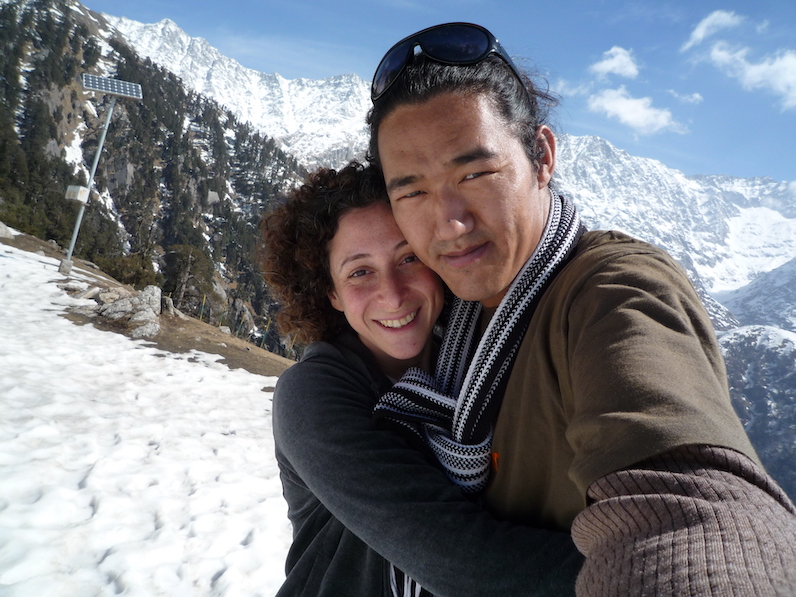
Now I’m sure that the gentlemen of Ü-Tsang and Amdo have many virtues, but I have little personal experience. Yeshi is from Kham. I picked him on little more than a hunch, but looks like it was a good one.
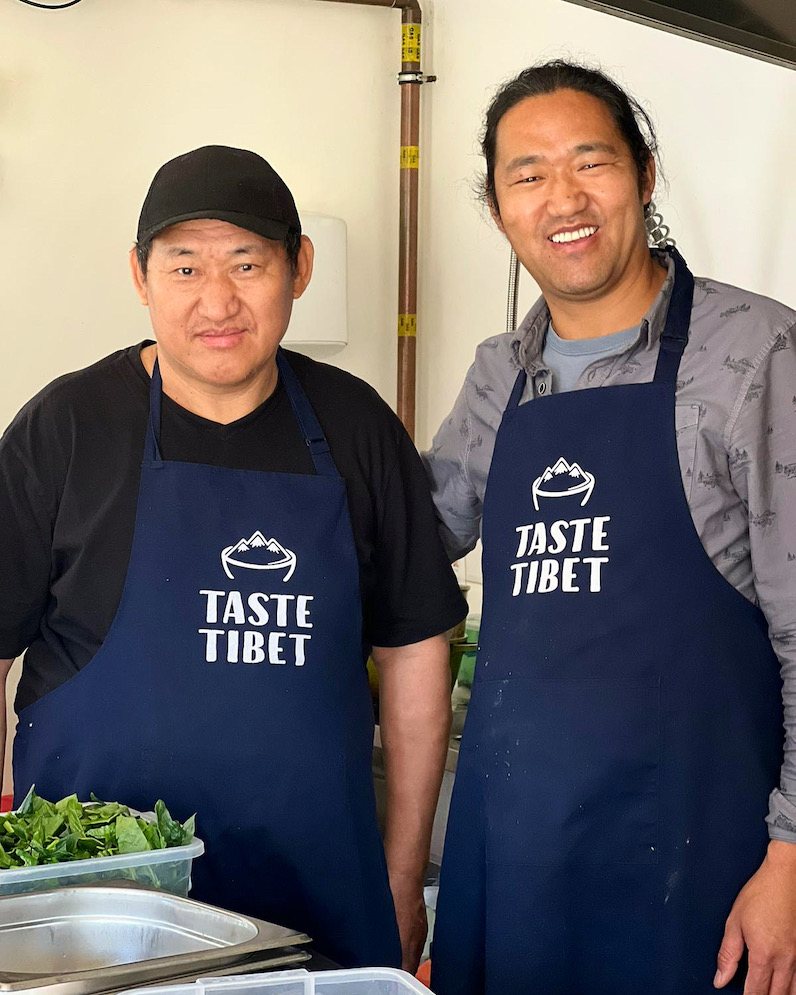
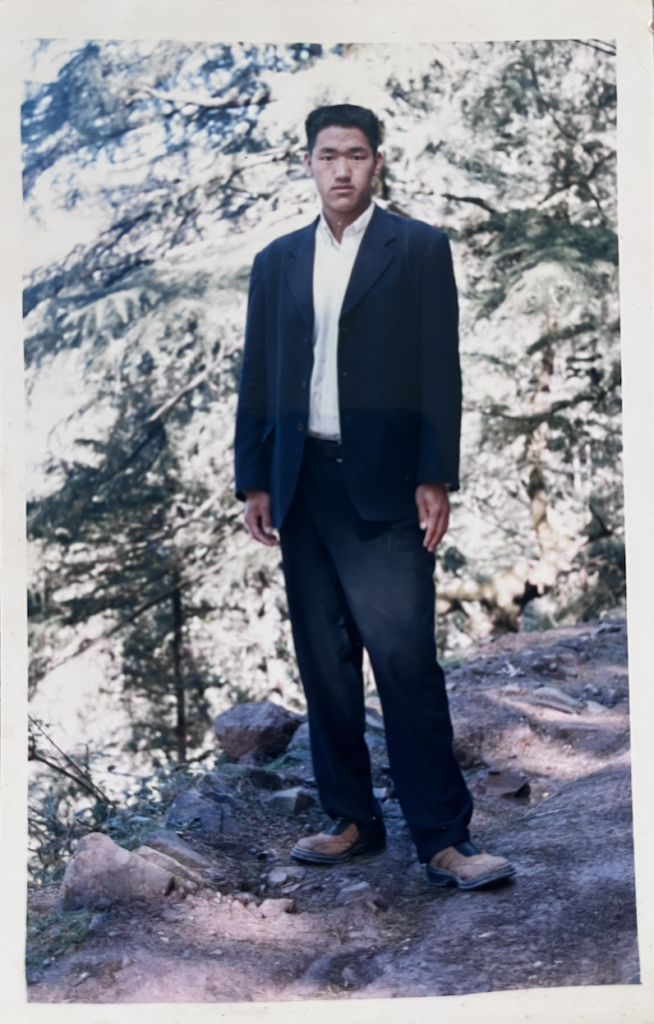
It should be said that Khampas – people from Kham – come with a bit of a reputation. Especially the men. They’ve long been famed and feared for their warrior persona, for their physical stature (check Yeshi), and for their ferocious independence. Marco Polo’s description of the 13th century Khampa man stands in stark contrast to the gentle Tibetan stereotype popularised in modern Western culture.
Much of this relates to geography. The Khampa stomping ground of eastern Tibet faced the constant threat of invasion, and its people learned early that they couldn’t rely on military back-up from Tibet’s distant central government.
Their personal weaponry was legendary: silver inlaid guns and oversized knives hanging from their cloaks (perhaps another reason that no one rushed to their rescue). Cross a Khampa at your peril.
But behind the Khampa swagger is a loyal and steadfast friend, father, husband, employer. If you have one in your corner, you have a defender and champion for life.
After our cash? Good luck with that. The children love to tell the story of the intruder in our tent one year at Glastonbury. As he reached for the till, Yeshi lifted him out by the literal scruff of his neck.
Khampas are not all hero of the day. They have sharp wits but an open heart, and they’re also known for their sense of humour and their appetite for a good prank, usually a painful one. Ask Yeshi about the time his brother struck him in the back of the head with an arrow, or set the horse to a gallop when he was mid-mount.
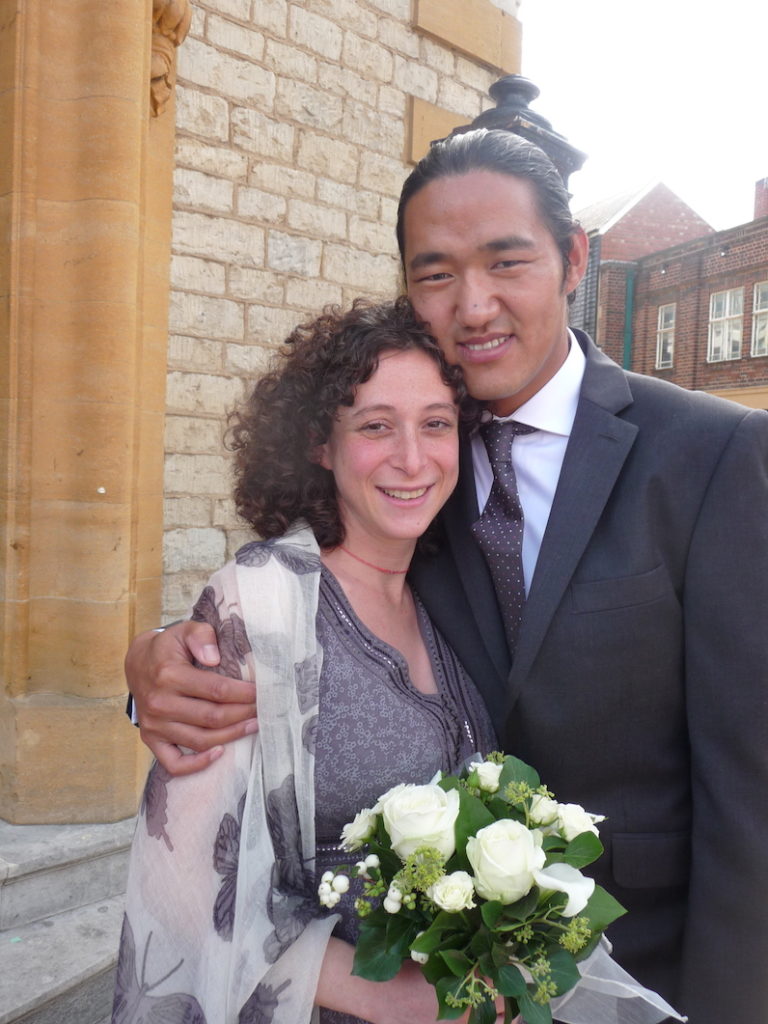
Best of all, they’re a straight-talking bunch known for their decisive and unshakeable nature. In the early days of our relationship, Yeshi won my heart just as I tried to let him go. “If you don’t want me, that’s fine,” he said.
When it comes to Tibet, the western idea of some kind of utopia can be compelling, but it’s a place of nuance, just like everywhere else. Living and working alongside Yeshi has taught me about the sides of life there that we don’t typically get to see, and how the Tibetan character has been shaped alongside.
I’ll just make sure that I stay on the right side of him, and this is good news for fans of our food. We’re not stopping any time soon. Khampas don’t quit. That’s another thing.
The restaurant is open all the usual hours this week, as follows:
Weds – Fri: 5-9.30pm (dinner only)
Saturday: 12-3/ 5-9.30pm
Sunday: 12-3 / 5-9pm
This week’s menu is up on the website – check it. Come for dine in or take away, hot food or freezer food. And don’t miss our iced chai while sunshine lasts!
Finally, a reminder that Taste Tibet will be closing on Sunday 10th May until Friday 5th June, so if you need to restock your freezer, make sure you come by before your favourite dishes are gone for the month.
If you haven’t already, sign up here to our weekly newsletter so that you can keep track of our movements during the nomadic summer months. Every Postcard From Tibet also contains a discount or freebie.
Looking forward to seeing you soon,
Julie and Yeshi
Opening hours this week:
Weds – Fri: 5-9.30pm
Saturday: 12-3pm 🥢 5-9.30pm
Sunday: 12-3pm 🥢 5-9pm
☏ 01865 499318
Do you love the Taste Tibet cookbook? Please take a minute to leave us a review.